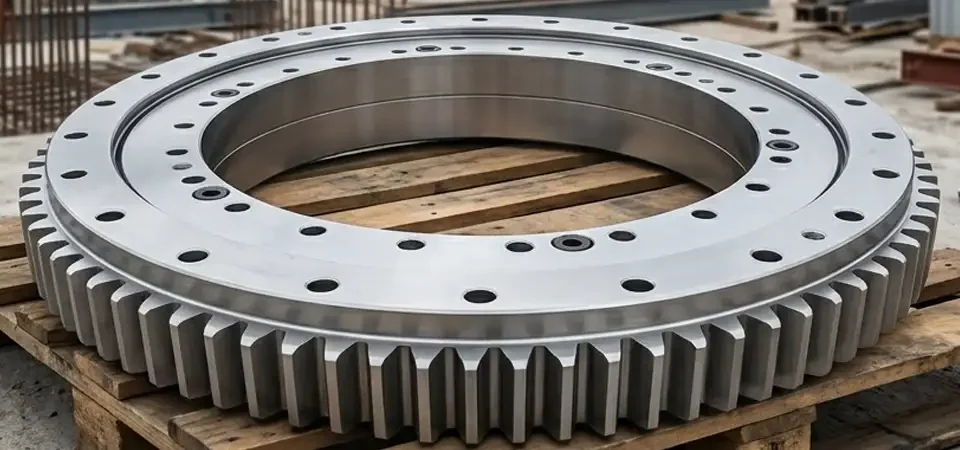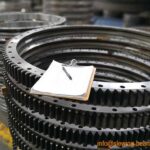
slewing bearing with external gear
April 23, 20235 characteristics of flange type slewing ring
April 24, 2023
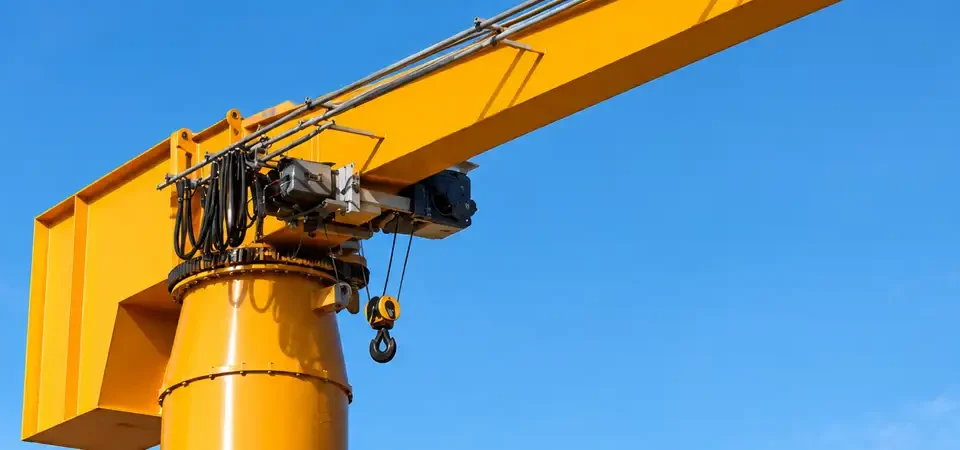
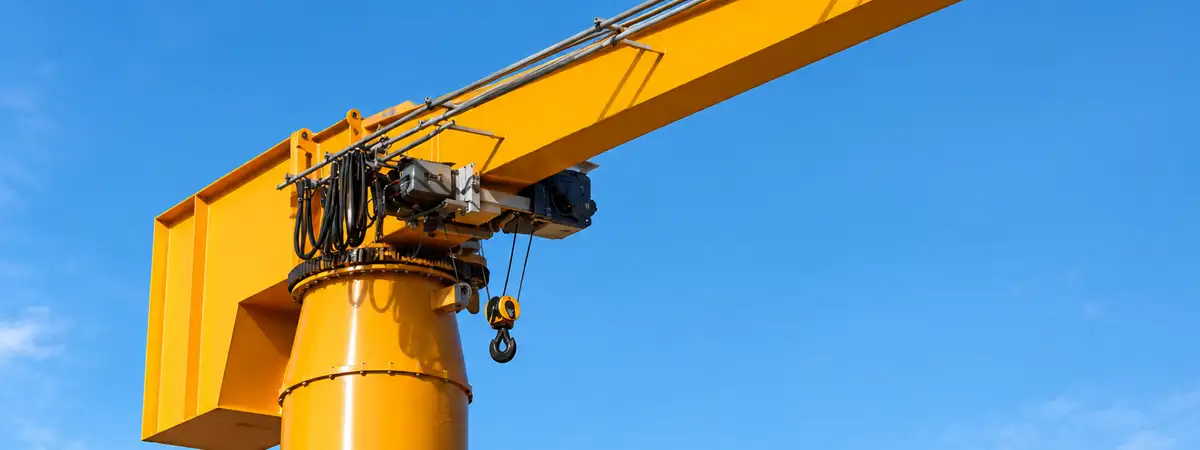
The slewing ring is a key component used to support and rotate mechanical equipment. With the advantages of high load capacity, high precision and long life, it is widely used in various industries. The manufacturing process of slewing bearings includes the following aspects:
- Material selection: The main materials of the slewing bearing include steel, alloy, etc., and materials with high strength, high wear resistance and high toughness need to be selected to meet the requirements of high strength and long life.
- Design and drawing: The slewing bearing needs to be designed and drawn to determine its structure and size. The design needs to take into account factors such as bearing capacity, rotation accuracy, and interface size, and optimize it according to specific application scenarios.
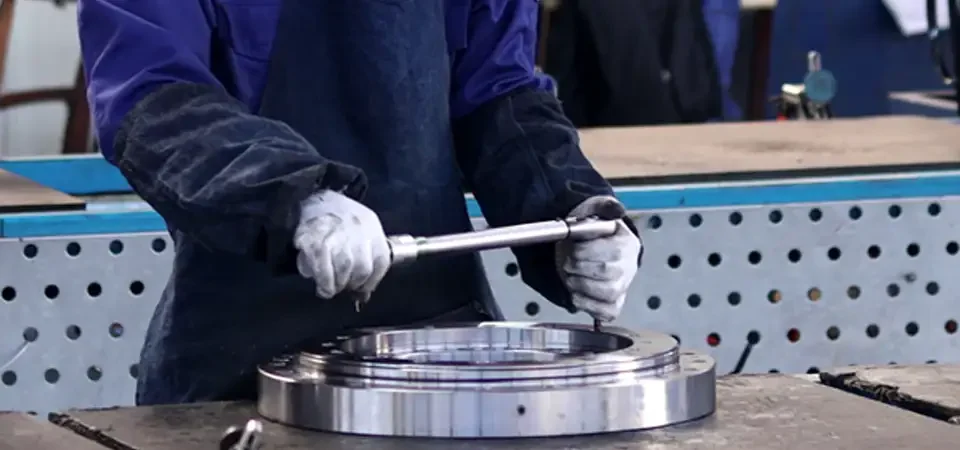
- Processing and manufacturing: The processing and manufacturing of slewing bearings includes forging, heat treatment, precision machining and other process links. First, the forging process is carried out, and the raw material is forged into a blank that meets the size and shape. Then it is heat treated to adjust its mechanical properties and physical properties. Finally, precision machining is carried out, including turning, grinding, milling, drilling and other processing techniques to ensure the accuracy and quality of the slewing bearing.
- Inspection and quality control: The manufacturing process of the slewing bearing requires multiple inspections and quality control to ensure that it meets the design requirements and standards. Including material testing, process testing, dimension testing, performance testing and other links.
- Assembly and debugging: After the slewing bearing is manufactured, it needs to be assembled and debugged. It includes installing the inner and outer rings on the base and top parts of the mechanical equipment, and installing gears, shafts and other transmission devices, and finally debugging and testing to ensure its normal operation and use.
In short, the manufacturing process of the slewing ring is very complicated, and it needs to go through multiple links of design, processing, testing and quality control to ensure that it meets the design requirements and standards, and has the advantages of high strength, high precision, and long life.