Slewing Bearing Installation Procedure & Backlash Checklist
August 4, 2026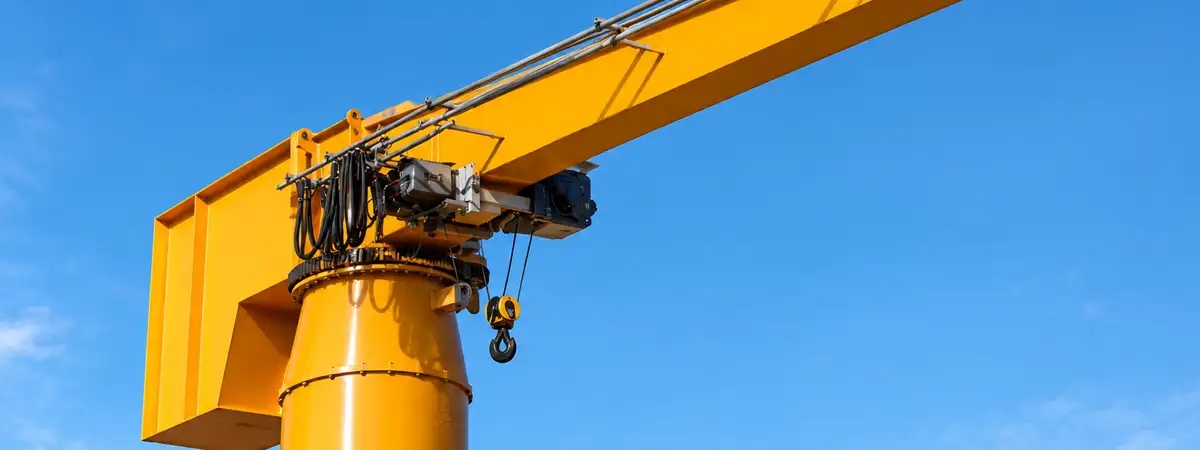
What are the key differences between a slewing crane and a non-slewing crane?
Choosing the right lifting equipment can make or break your construction project's efficiency and safety. If you are planning a heavy lifting operation, you will likely run into two main categories: slewing and non-slewing cranes.
But what exactly sets them apart?
In this guide, we will break down the differences between a slewing crane and a non-slewing crane, compare their core functionalities, and help you decide which machine is best suited for your next job site.
What is a Slewing Crane?
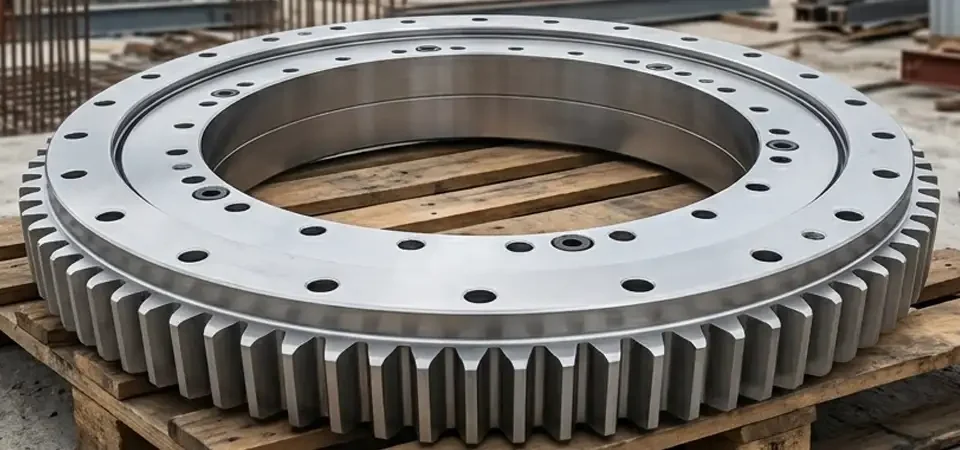
A slewing crane is equipped with a rotating mechanism (the slew ring) that allows the boom and cabin to rotate horizontally, usually up to a full 360 degrees. This means the crane can stay anchored in one position while picking up a load from one side and placing it on the exact opposite side.
Common examples of slewing cranes include tower cranes, crawler cranes, and most all-terrain mobile cranes.
Key advantages of a slewing crane:
Precision and Reach: They offer incredible maximum reach and height.
Stationary Lifting: Excellent for lifting heavy loads in a fixed radius without moving the vehicle's base.
Versatility: Ideal for complex construction sites where maneuvering the entire vehicle is impossible.
What is a Non-Slewing Crane?
A non-slewing crane, frequently referred to as a "pick and carry" crane, features a fixed boom that points in the direction of the vehicle's travel. Because it lacks a rotating base, the only way to change the horizontal direction of the lift is to steer and drive the entire crane.
These cranes are specifically designed to lift a heavy load and physically transport it across a site to a new location.
Key advantages of a non-slewing crane:
High Mobility: They can travel on roads and navigate tight construction sites easily.
Transport Capability: They don't just lift; they "pick and carry" loads over distances.
Quick Setup: They rarely require complex outriggers or counterweights, allowing for immediate operation.
Key Differences Between a Slewing Crane and a Non-Slewing Crane
To make the best choice for your site, it is crucial to understand how these machines contrast in daily operations. Here is a breakdown of the primary differences.
| Feature | Slewing Crane | Non-Slewing (Pick & Carry) Crane |
| Rotation | Boom rotates independently up to 360°. | Boom is fixed; the entire vehicle must steer to rotate. |
| Primary Function | Heavy, stationary lifting and precise placement. | Lifting and physically transporting loads across a site. |
| Footprint/Setup | Requires a larger footprint and often uses outriggers. | Compact footprint, requires minimal setup time. |
| Load Capacity | Generally higher lifting capacities (can lift hundreds of tonnes). | Lower overall capacities, restricted by the vehicle's driving stability. |
Which Crane Should You Choose for Your Project?
Understanding the differences between a slewing crane and a non-slewing crane is only half the battle; applying that knowledge to your project is what counts.
Choose a Slewing Crane if: You are working on a high-rise building, you need to lift incredibly heavy materials (like steel beams or HVAC units) to a great height, or your job site is highly restricted and requires the crane to sit in one central location.
Choose a Non-Slewing Crane if: Your project involves moving materials across a sprawling site (such as pipe-laying, warehouse logistics, or mining operations) where setup speed and mobility are your top priorities.