Slewing Bearing Price: Why Choose Fenghe for the Best Deals?
March 28, 2025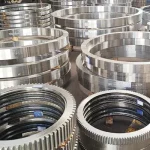
FH Slew Ring for Excavators – OEM Quality and Fast Delivery
May 6, 2025
When selecting the right component for rotational motion, many engineers face the question: Slewing ring vs bearing – what’s the difference?
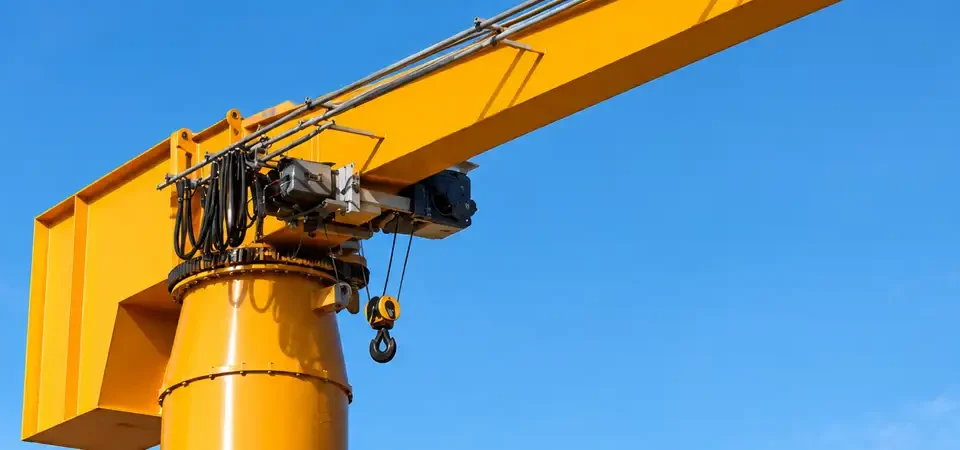
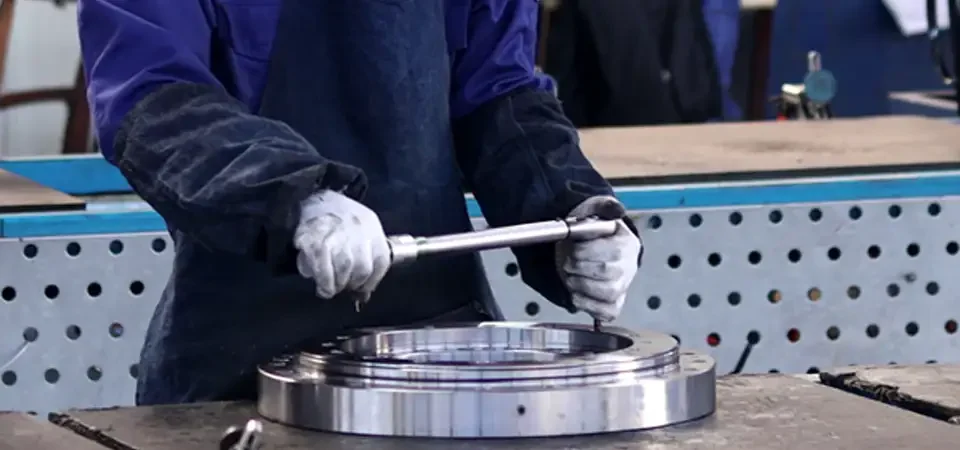
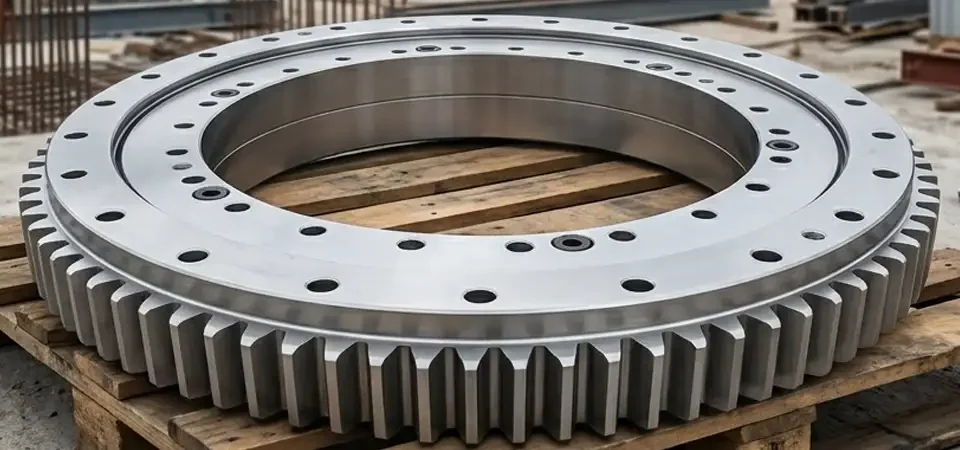
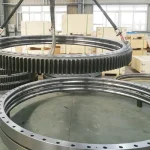
Slewing rings (also known as slewing bearings) are large, heavy-duty bearings designed to handle axial, radial, and moment loads simultaneously. Commonly used in applications such as cranes, excavators, and wind turbines, slewing rings are ideal for slow-turning, high-load operations.
In contrast, standard bearings (such as ball or roller bearings) are typically smaller and designed for high-speed applications with more limited load capacities. They’re commonly found in motors, machinery, and automotive systems where rotational speed is critical.
Key Differences:
- Load Capacity: Slewing rings handle higher combined loads.
- Size: Slewing bearings are much larger and more robust.
- Application: Slewing rings are used in heavy-duty equipment; standard bearings suit high-speed, lower-load environments.
Choosing between a slewing ring and a standard bearing depends on your application. For high-load, low-speed rotation, a slewing bearing is your best bet. For high-speed, lighter load needs, standard bearings are more appropriate.
Understanding the differences between slewing rings and bearings helps engineers and buyers make informed decisions. FH Slewing Bearing provides customized slewing solutions tailored to your industry needs.